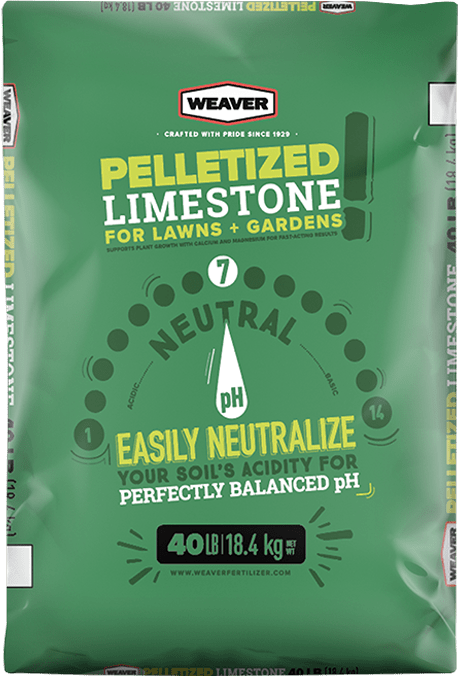
If you think about it, there’s no better synonym for “nature” than “balance.” And that’s what our Pelletized Limestone delivers: perfectly balanced pH that supports perfectly healthy plants.
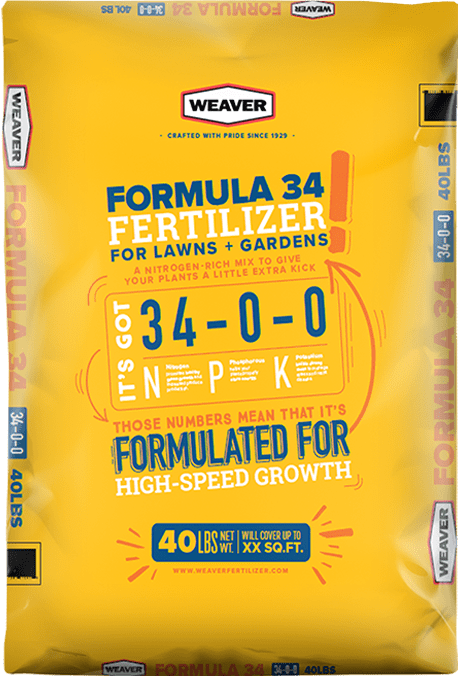
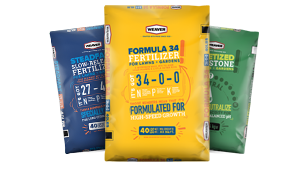
Plants look like they could use a little extra kick? Formula 34 is just the nitro-burst they need to get bigger and greener—faster.
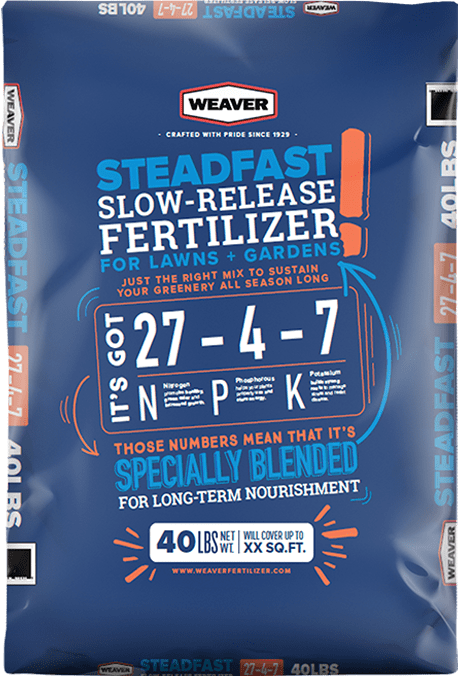
As any seasoned gardener knows, sometimes slow and steady wins the race. Steadfast Slow-Release fertilizer has just the right mix to sustain your greenery all season long.

If you think about it, there’s no better synonym for “nature” than “balance.” And that’s what our Pelletized Limestone delivers: perfectly balanced pH that supports perfectly healthy plants.
Plants look like they could use a little extra kick? Formula 34 is just the nitro-burst they need to get bigger and greener—faster.
As any seasoned gardener knows, sometimes slow and steady wins the race. Steadfast Slow-Release fertilizer has just the right mix to sustain your greenery all season long.

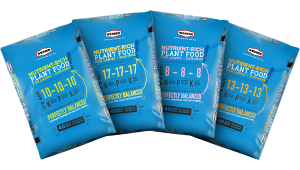
Determine application rates according to soil test recommendations. If no soil test is available, apply 1 to 2 pounds of phosphate per 1,000 sq. ft. with any Weaver All-Purpose Plant Food products. Incorporate fertilizer into the top upper 4” of the soil profile if possible.
During active growth, apply no more than 0.5 – 2 lbs of nitrogen per 1,000 sq. ft. during a single application. Repeat as needed during growing months to achieve suggested annual nitrogen rates. Annual rates for various cool-season grass species range from 2 – 4 lbs of nitrogen per 1,000 sq. ft.
During active growth, apply no more than 0.5 – 2 lbs of nitrogen per 1,000 sq. ft. during a single application. Repeat as needed during growing months to achieve suggested annual nitrogen rates. Annual rates for bermudagrass range from 3 – 6 lbs of nitrogen per 1,000 sq. ft. Annual zoysiagrass and St. Augustinegrass rates range from 2 – 3 lbs of nitrogen per 1,000 sq. ft. Annual centipedegrass ranges from 1 – 2 lbs of nitrogen per 1,000 sq. ft.
1. What are the sources of N-P-K?
Urea, Diammonium Phosphate, and Muriate of Potash.
2. What can this fertilizer be used on?
Any grasses, plants, flowers, trees, bushes, shrubs or vegetables.
3. What spreader setting should I use when spreading on my lawn?
Calibrate spreading equipment according to spreader manufacturer instructions.
Download the pdf to view all MSDS Information, click here.